Hotdisplay Technology Co., Ltd
When developing an electronic product, selecting a suitable TFT LCD panel is only one part of the display design process. The display must also work with the host processor, electrical interface, power supply, touch controller and mechanical enclosure.
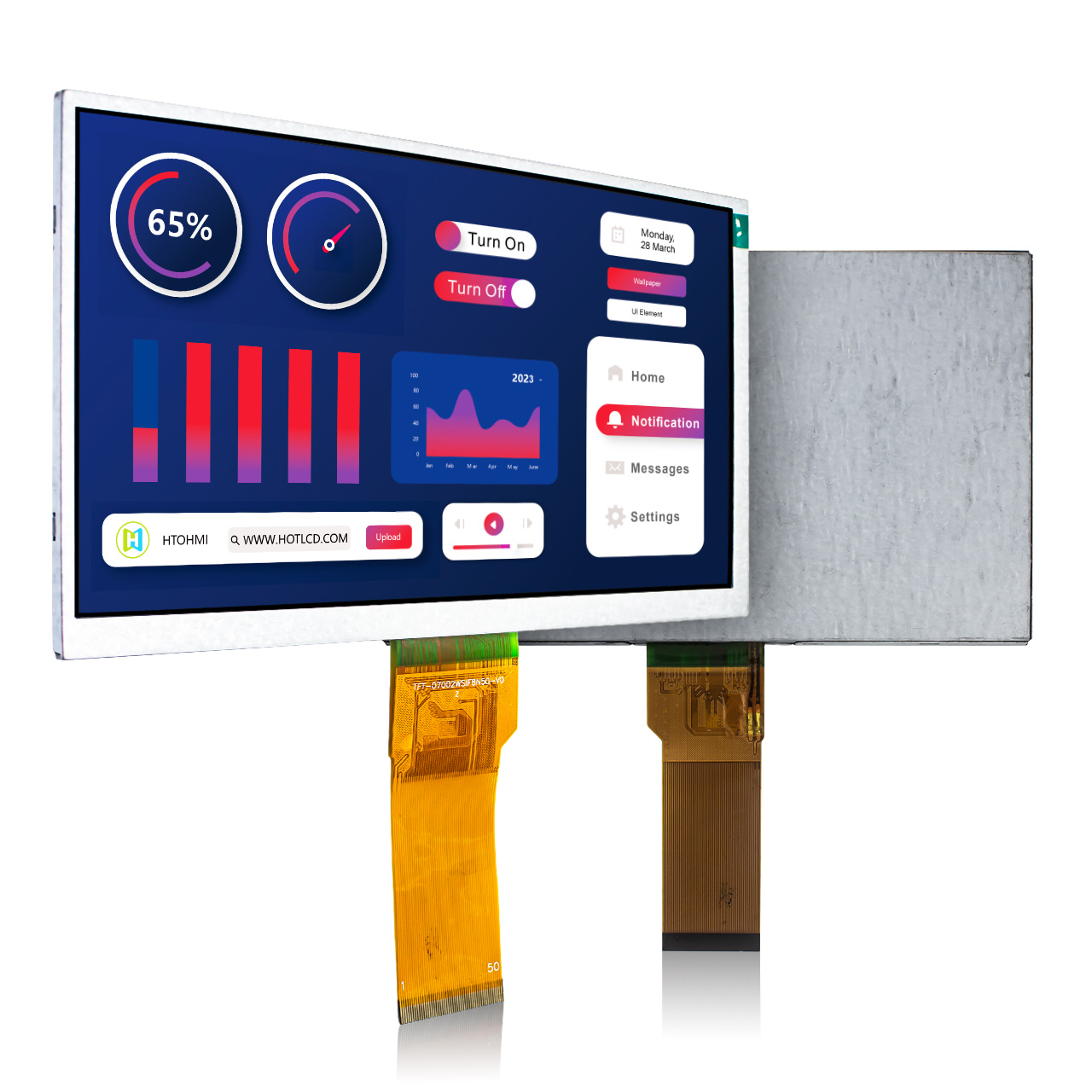
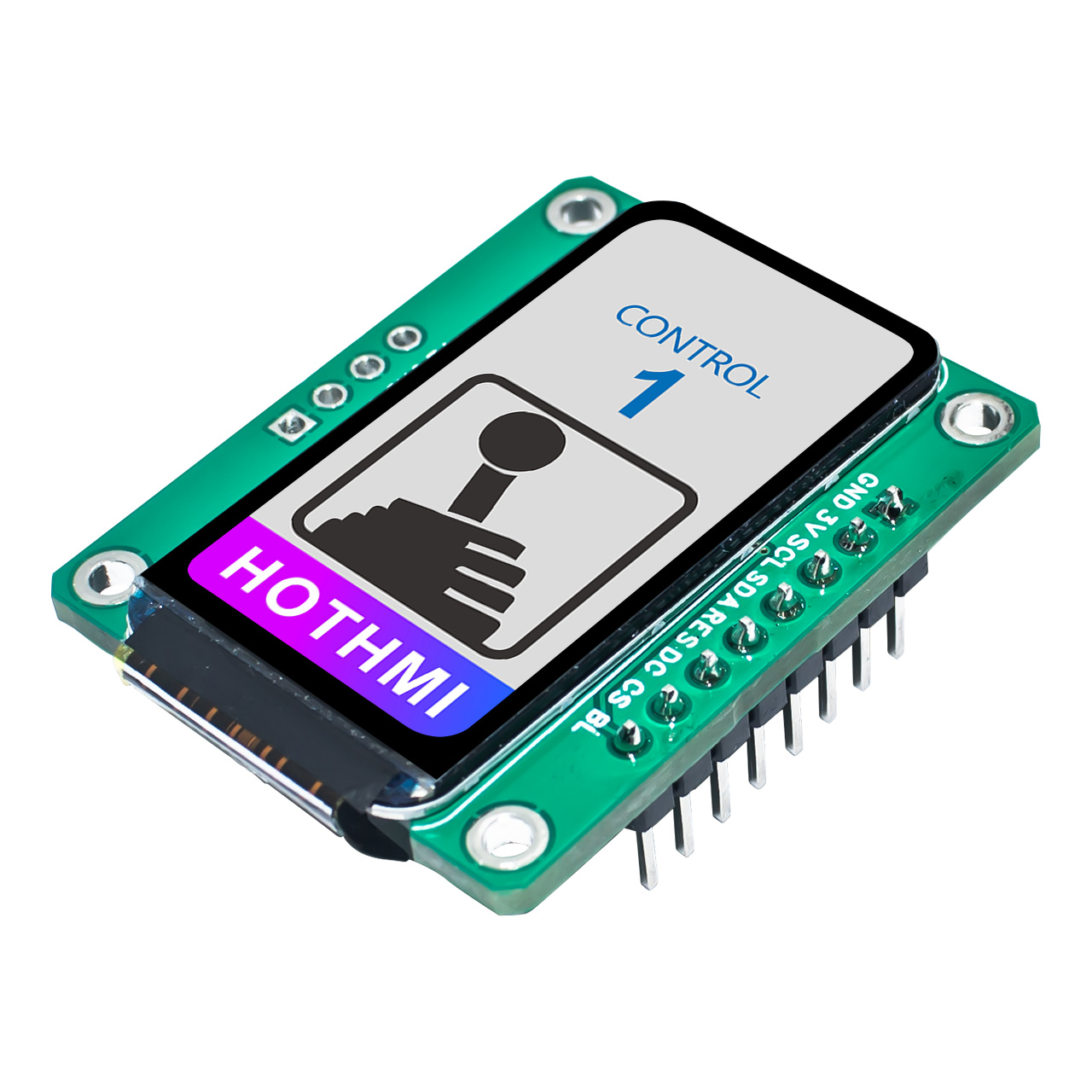
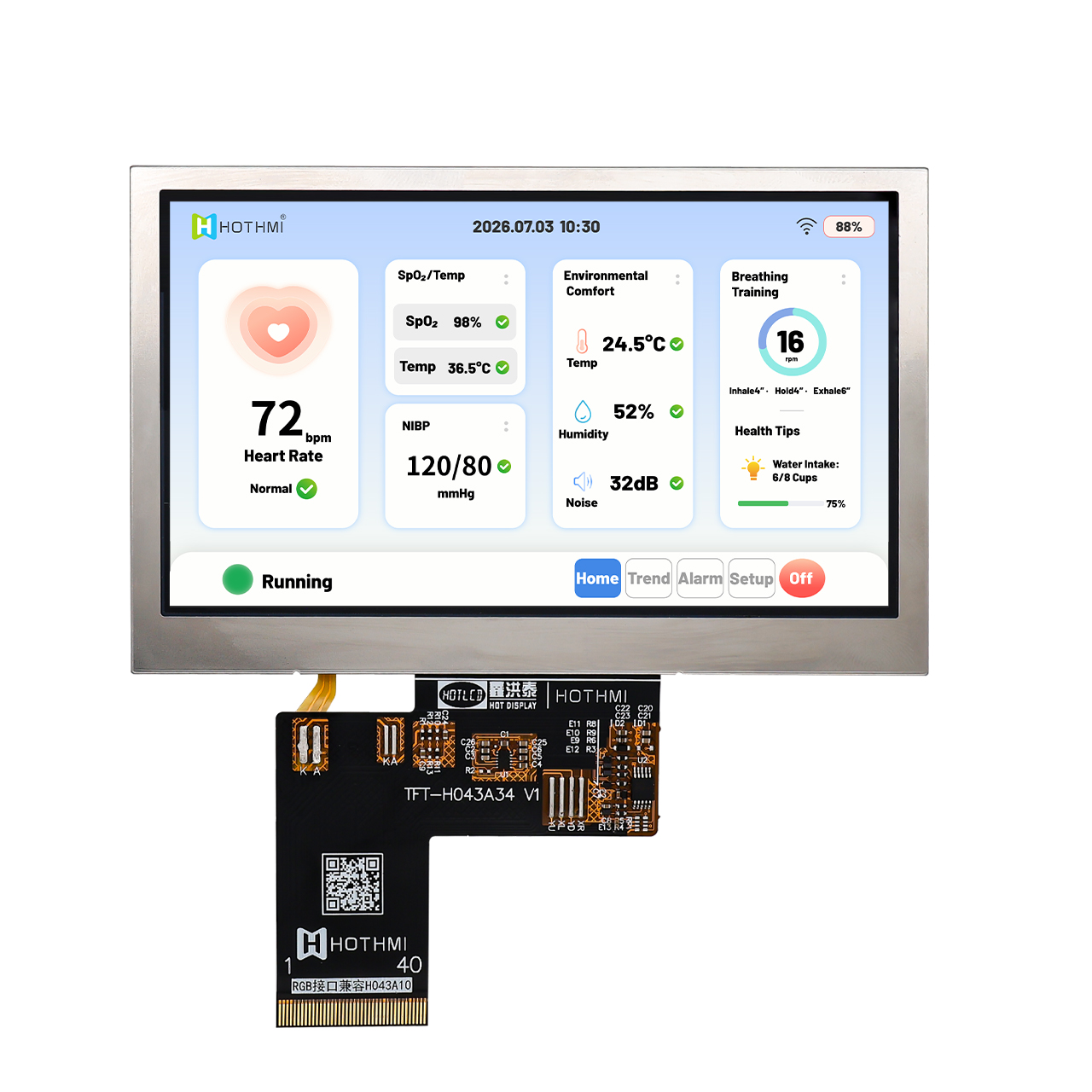
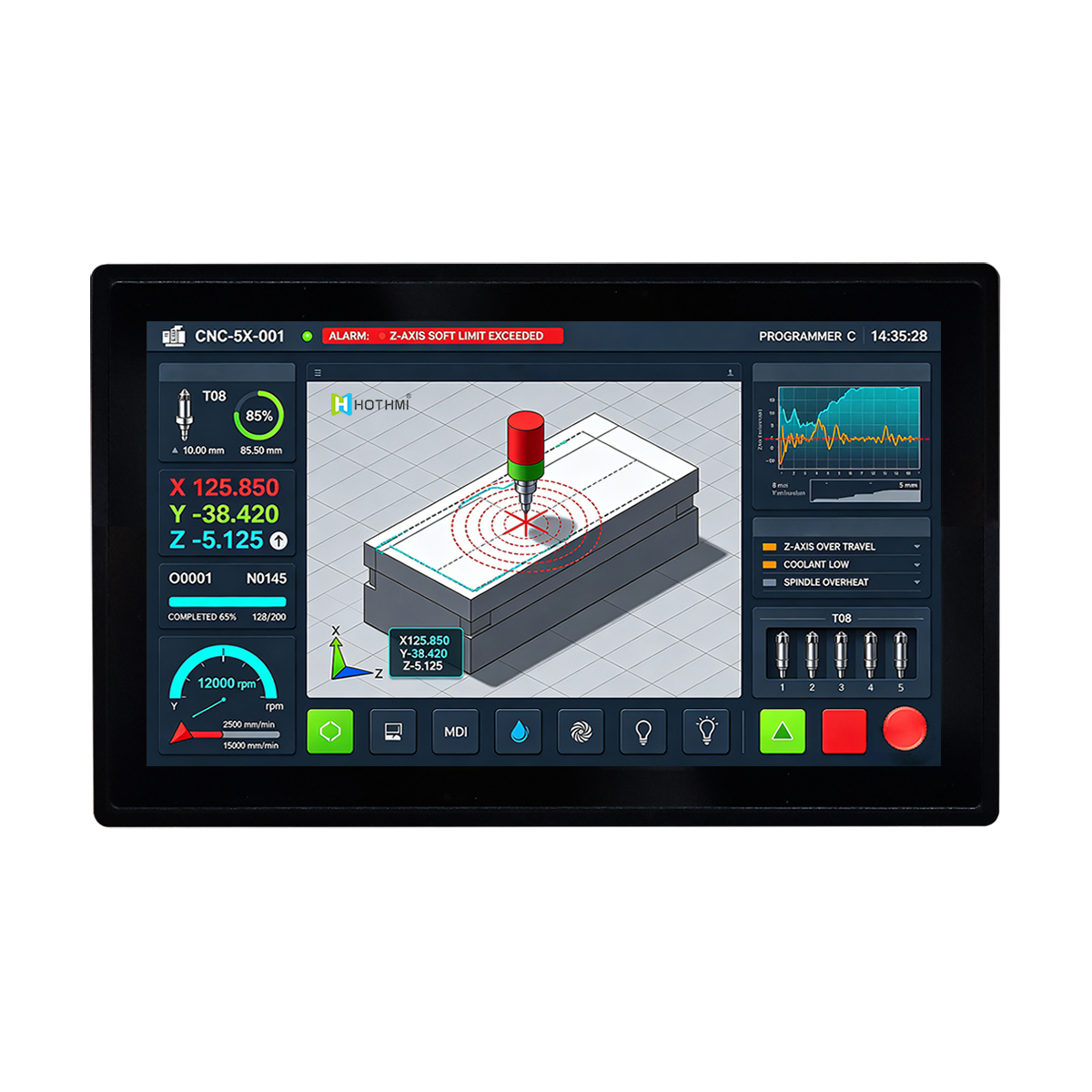
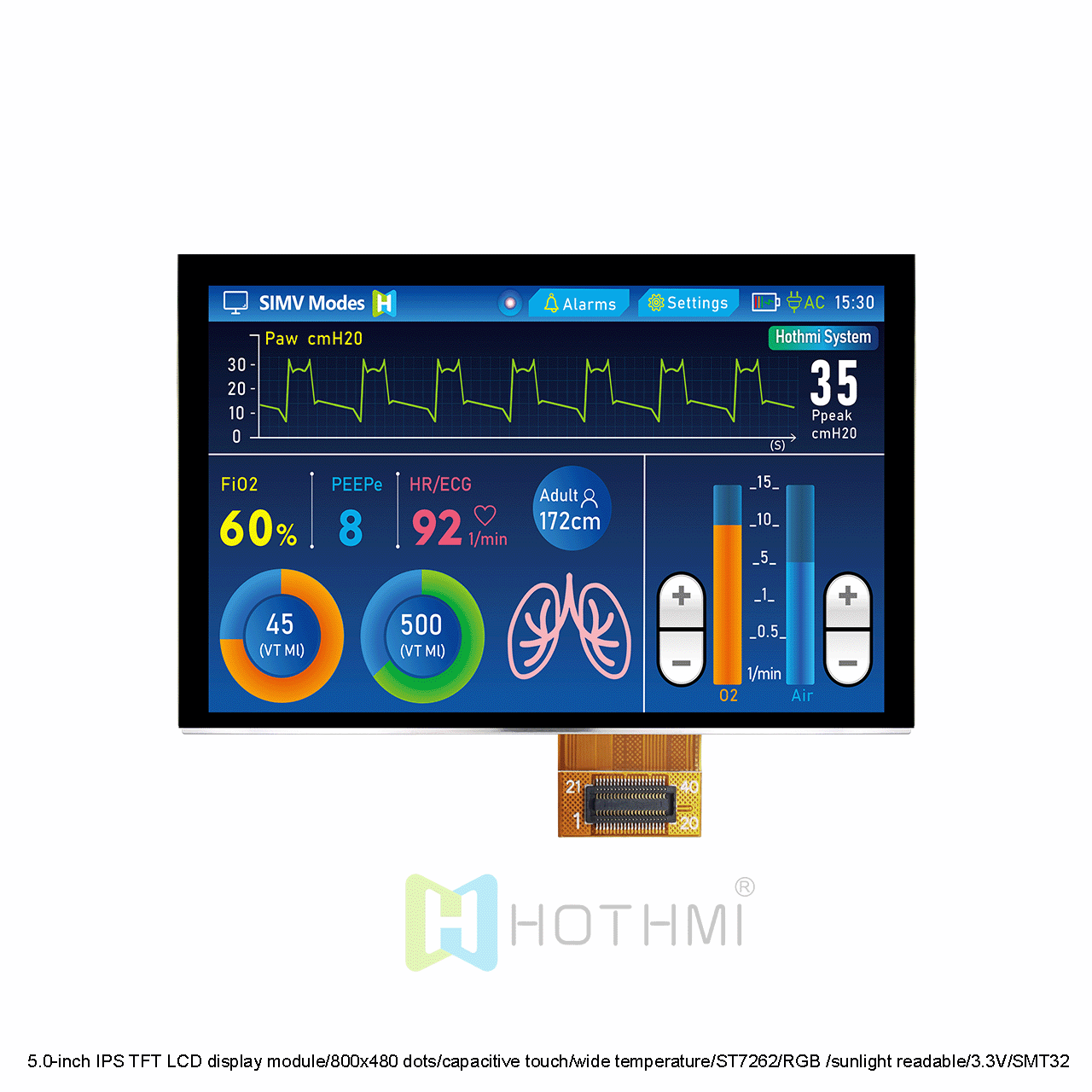
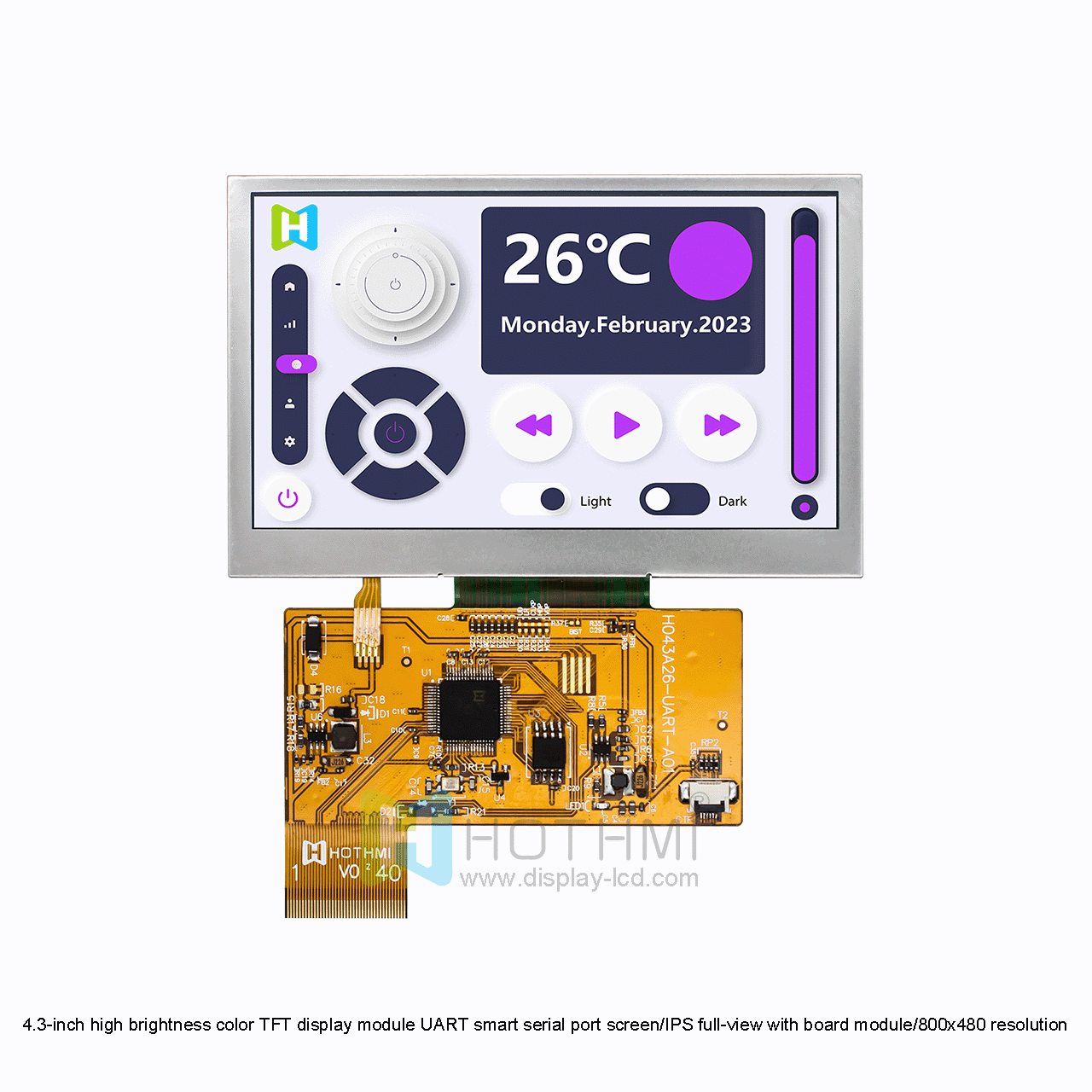
For manufacturers with specific system requirements, a custom TFT LCD PCBA can be part of a broader display integration solution. Instead of evaluating the panel and supporting electronics as unrelated components, the development team can consider how the display hardware will function within the finished product.
HOTDISPLAY offers customized PCBA and display-related engineering services for projects with different integration requirements.
PCBA stands for printed circuit board assembly. In a display application, the relevant board configuration depends on the system architecture and the functions assigned to the board.
Depending on the project, display electronics may handle signal conversion, display control, power management or touch-related functions. Not every display PCBA includes all these functions, and the required configuration must be defined for the specific project.
A custom display PCBA should therefore begin with a clear understanding of the display, host platform, interface and required functions.
A customized board may be worth evaluating when a standard display module cannot meet the integration requirements of the target product.
Common engineering considerations include:
Interface compatibility: The display and host processor must support a compatible electrical interface and signal configuration.
Space constraints: Board dimensions, mounting positions and connector locations must fit the enclosure.
Touch integration: Interactive products may require coordination between the TFT LCD, touch sensor and touch controller.
Power requirements: The display and its supporting electronics must operate within the specified electrical conditions.
Cable and connector design: FPC routing, connector orientation and access for assembly should be considered.
System functions: Additional hardware requirements must be identified and documented before the board design is finalized.
These considerations help define whether an existing module is sufficient or whether a customized configuration is needed.
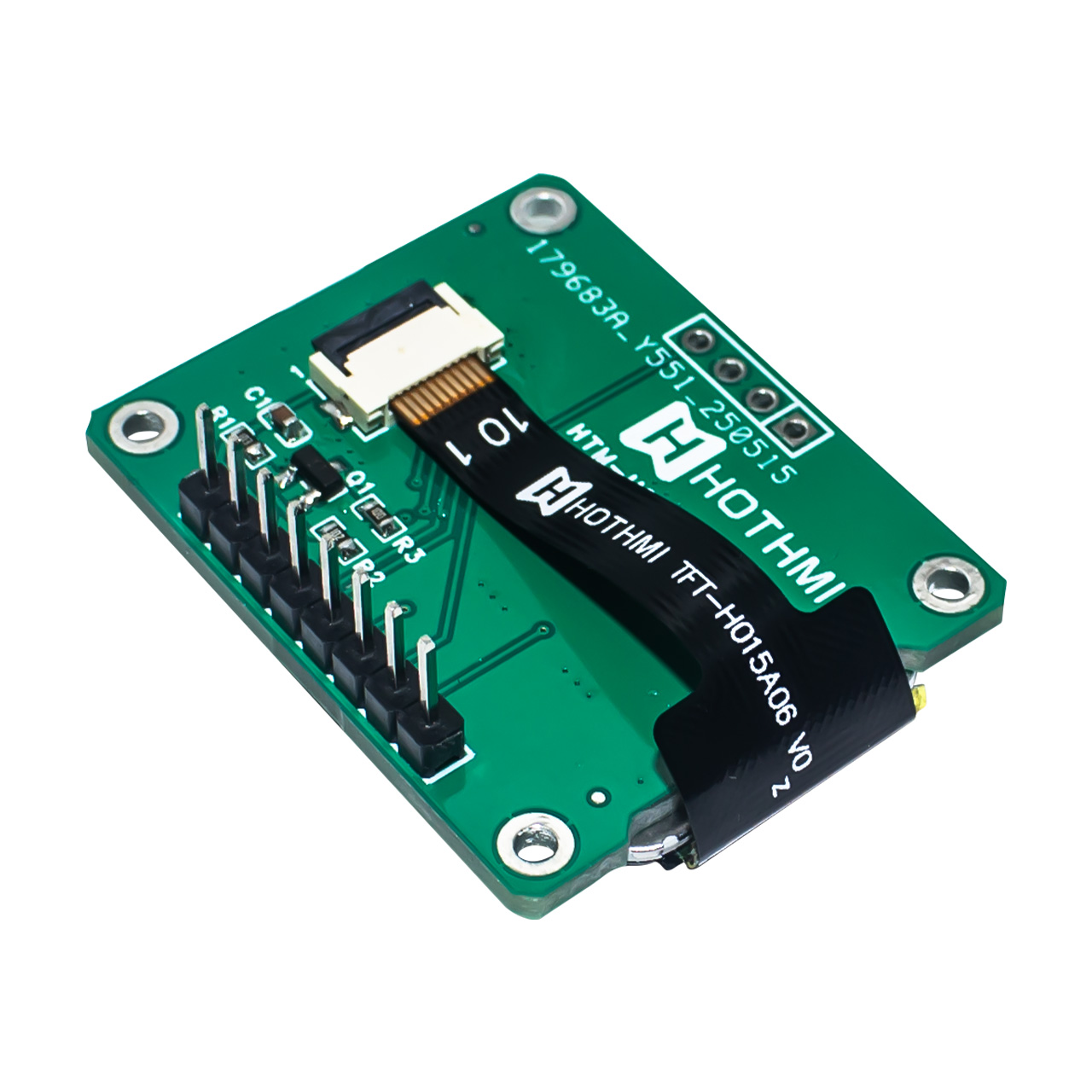
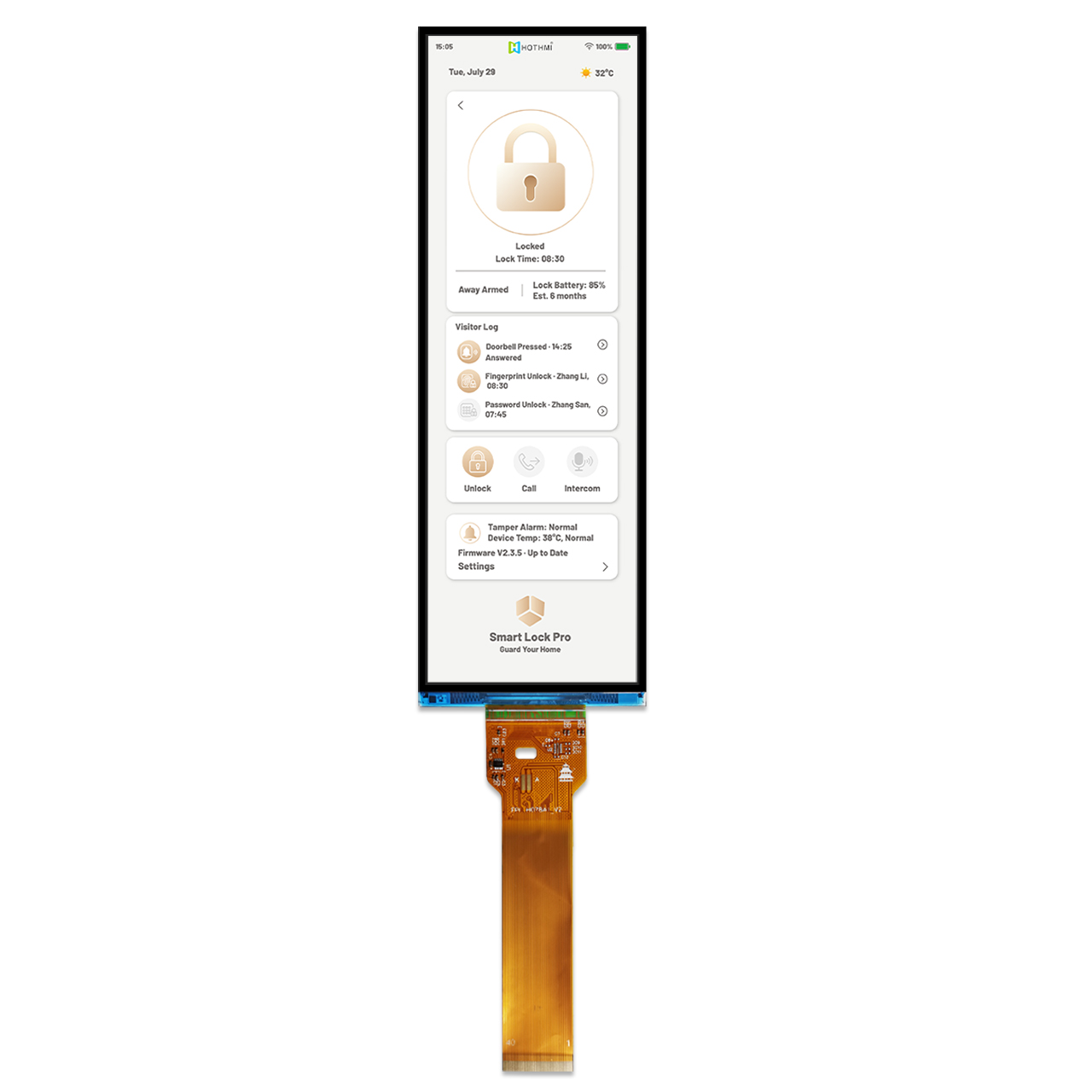
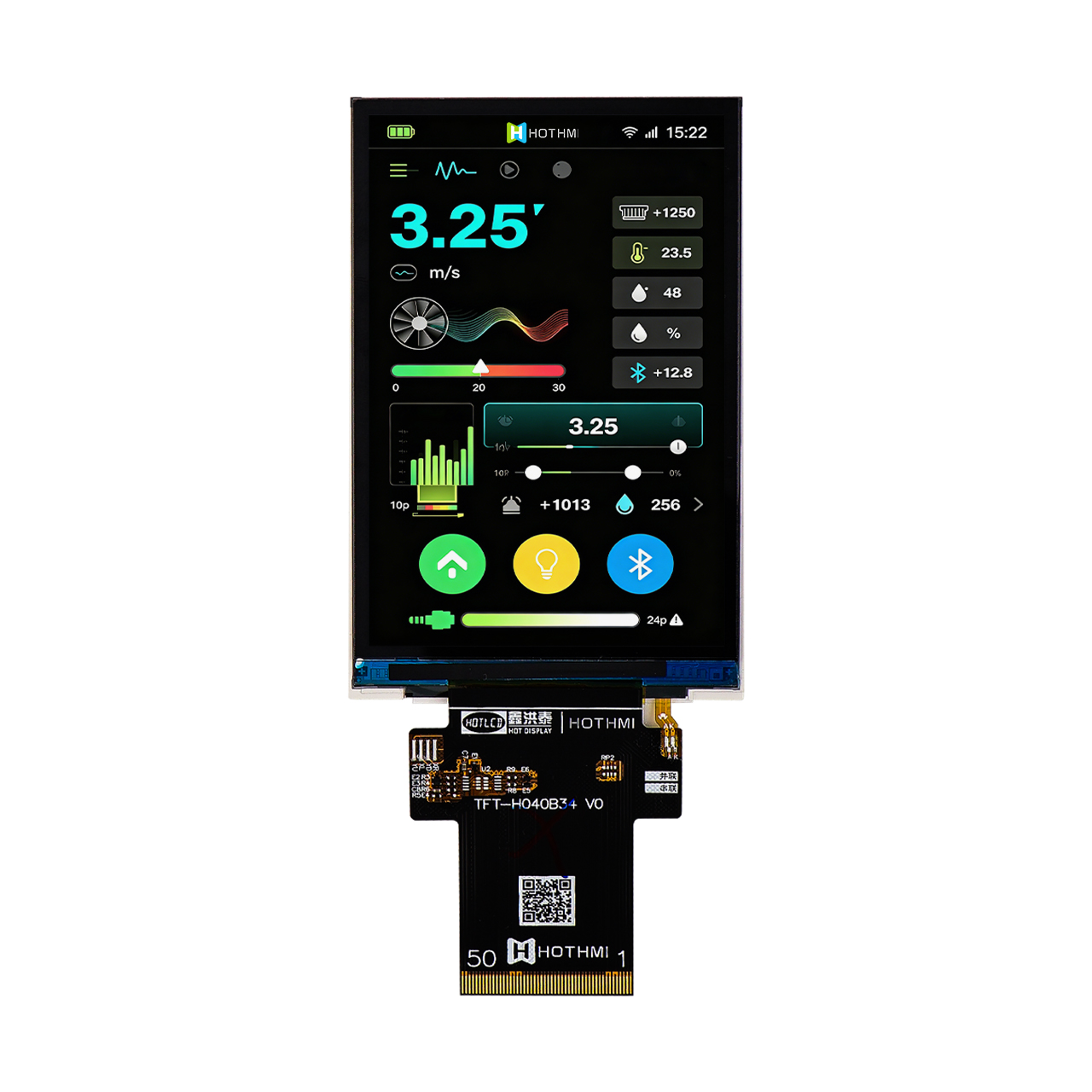
HOTDISPLAY's TFT LCD module range includes products supporting MIPI, LVDS, MCU, RGB and SPI interfaces. The appropriate option depends on the host controller and the application's display requirements.
A custom PCBA project should establish the interface before hardware design proceeds. Engineers should verify signal definitions, pin assignments, power requirements and software or driver support.
Changing a connector alone does not convert one interface into another. Electrical and protocol compatibility must be confirmed separately.
For a touchscreen product, the PCBA is only one element of the complete assembly. The display panel, touch sensor, cover lens, flexible circuits and enclosure may also affect the design.
HOTDISPLAY provides customization options for display hardware, touch solutions, FPCs, interfaces and cover components. The exact combination should be determined by the product's mechanical structure and user interaction requirements.
Early coordination can help avoid conflicts such as insufficient installation depth, inaccessible connectors or a touch panel that does not match the front enclosure.
To help a supplier evaluate your requirements, prepare:
The intended application and product overview.
The display size, resolution and candidate model.
The host processor or mainboard information.
The required interface and connector details.
Touch functionality and other required features.
Available PCB and enclosure dimensions.
Power requirements and environmental conditions.
Prototype, production and testing requirements.
If some details have not been finalized, identify them as open engineering decisions rather than assuming that a standard configuration will work.
A successful display integration project requires verification of the assembled system. Depending on the application, validation may cover display initialization, image output, touch operation, power behavior, connector retention and mechanical fit.
The test plan should be based on the finished equipment and its intended operating environment. Product-specific requirements should be documented before production approval.
HOTDISPLAY has provided display products and manufacturing services since 2004. Its portfolio includes TFT LCD panels, TFT LCD modules, touch panels and customized display solutions.
By discussing the display, PCBA, interface and touch requirements together, equipment manufacturers can evaluate a more coordinated approach to display integration.
A custom TFT LCD PCBA should be developed around the requirements of the complete product, not just the display panel. Clear electrical specifications, mechanical drawings and validation requirements help establish a practical path from prototype to production.