Hotdisplay Technology Co., Ltd
Industrial equipment may operate in environments that differ considerably from a climate-controlled office. Outdoor instruments, industrial control systems and equipment installed in enclosed housings can experience low temperatures, elevated internal temperatures and changing ambient conditions.
A wide temperature TFT LCD is designed for applications that require display operation across a broader temperature range than a standard commercial display can provide. Selecting the right module requires attention to operating temperature, brightness, viewing angle, interface compatibility and the complete system environment.
HOTDISPLAY offers industrial-oriented TFT LCD products with model-specific temperature and optical specifications.
Temperature can affect LCD response, image quality and overall system behavior. A display selected without considering its actual operating environment may not perform as expected when installed in outdoor equipment or a thermally constrained enclosure.
When evaluating a wide temperature TFT LCD, distinguish between:
Operating temperature: The temperature range specified for normal operation.
Storage temperature: The permitted temperature range while the display is not operating.
System temperature: The actual conditions around the installed display, including heat generated by other electronic components.
These values are not interchangeable. Engineers should verify the relevant datasheet and assess the thermal conditions of the complete product.
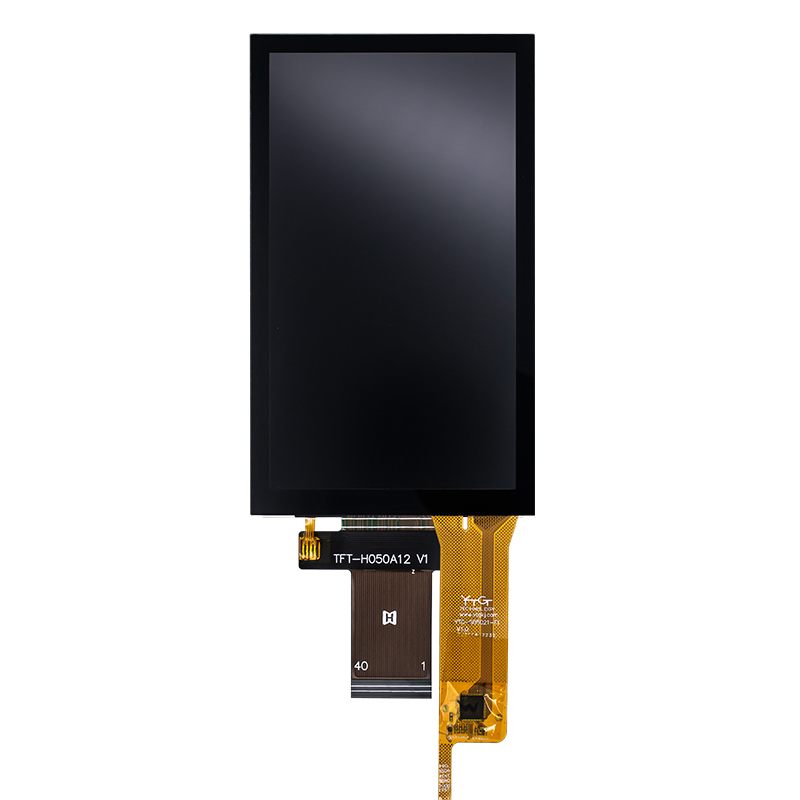
HOTDISPLAY lists a 6.2-inch wide temperature TFT LCD model with the following published specifications:
| Parameter | Published specification |
|---|---|
| Display size | 6.2 inches |
| Resolution | 1024 × 600 |
| Outline dimensions | 155.3 × 88.3 × 4.7 mm |
| Active area | 137.47 × 77.23 mm |
| Viewing angle | IPS full viewing angle |
| Brightness | 900 cd/m² |
| Interface options | LVDS / MIPI |
| Driver IC | JD9168 |
| Operating temperature | -35°C to 80°C |
| Supply voltage | 3.3 V |
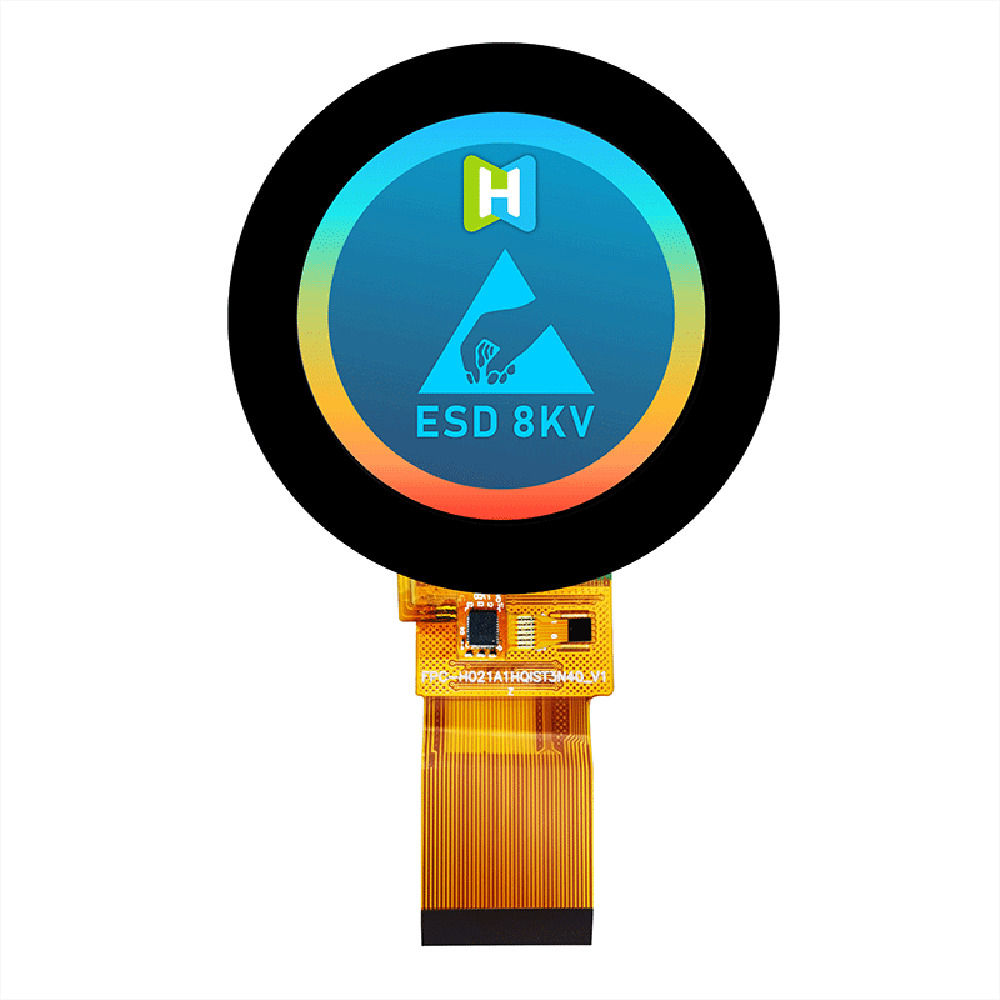
| ESD protection | 8 kV, as listed for the product |
These specifications illustrate why model-level verification matters. They should not be treated as universal specifications for every wide temperature TFT LCD.
Before ordering, confirm the exact part number and latest datasheet with the supplier.
Temperature performance is only one part of industrial display selection. The display must also remain readable in its intended installation.
Brightness requirements depend on ambient illumination, viewing distance, enclosure design and any protective glass or optical layers. A display used outdoors may require a higher-brightness configuration than one installed inside a machine cabinet.
Viewing angle is another important consideration. An IPS display can help maintain more consistent viewing from different directions, but the required optical performance should still be verified against the actual application.
Even a display with suitable temperature and brightness specifications may be unsuitable if it cannot connect to the host electronics.
Confirm the following before design approval:
Host support for the specified interface.
Connector type, pin assignment and cable routing.
Supply voltage and backlight requirements.
Outline dimensions and active-area position.
Mounting points and available installation depth.
Compatibility with the enclosure and touch panel, if required.
A complete integration review helps prevent problems caused by mismatched connectors, incorrect dimensions or incompatible signal configurations.
Wide temperature TFT LCDs may be considered for industrial instruments, central control systems, outdoor equipment and other products that must operate under demanding environmental conditions.
The appropriate specification depends on the equipment's real operating profile. Engineers should evaluate ambient temperature, internal heat, sunlight exposure, vibration and other relevant factors instead of relying on a single specification.
HOTDISPLAY's product portfolio includes wide temperature and high-brightness display models. Its engineering team can discuss the requirements of a specific application and identify suitable product configurations.
Selecting a wide temperature TFT LCD requires a coordinated assessment of operating conditions, optical performance, electrical compatibility and mechanical integration. Start with the actual environment, compare it with the exact product datasheet, and validate the display in the intended equipment before production. Discuss Your Industrial TFT LCD Requirements with HOTDISPLAY